English Towns & Cities Then and Now: How Our Places Tell England’s Story
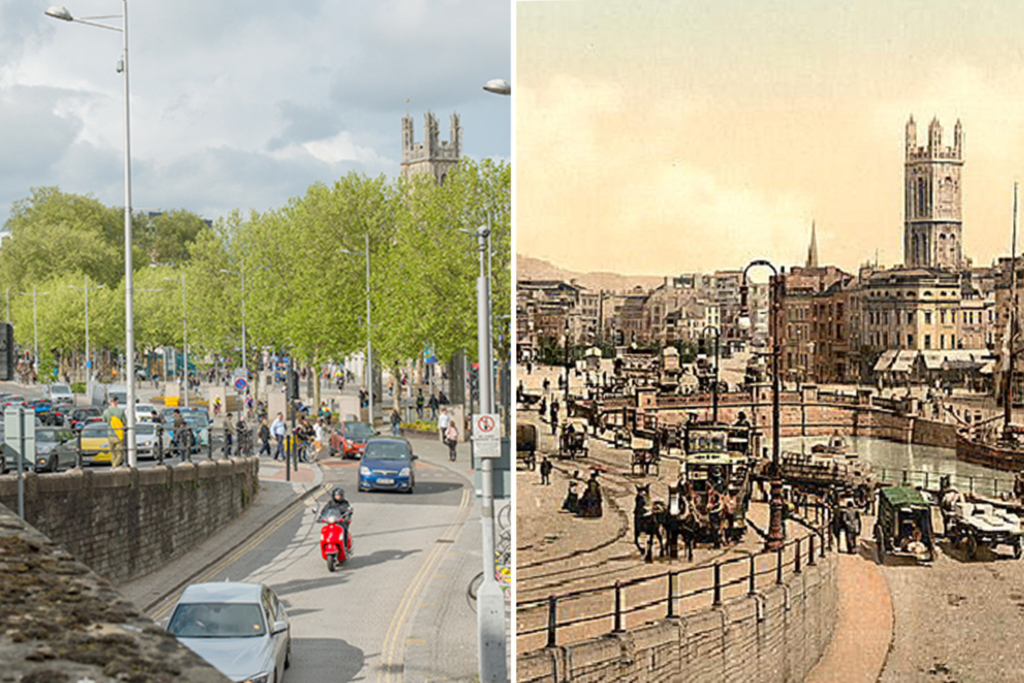
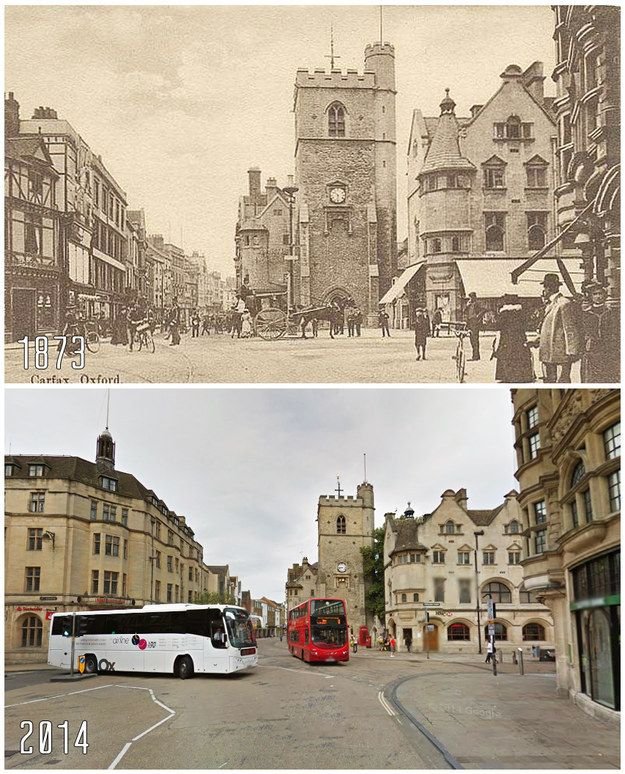
England’s towns and cities are the best history books you’ll ever walk through. Old market squares sit next to glass offices, mill chimneys overlook new flats, and streets that once echoed with horses and trams now grind with traffic and delivery vans. This Towns & Cities Then and Now hub brings all those stories together in one place, so you can explore how England has changed – and how much of it still looks strangely familiar.
Here you’ll find all the “then and now” features on specific places: big cities, industrial towns, seaside resorts, cathedral cities and more. Each article compares past and present, uses photos where possible, and explains the major changes in industry, housing, transport and everyday life. This page is the central map: from here you can jump to any town or city, see what has disappeared, what survived, and what has been rebuilt over and over again.
Why Towns and Cities Matter So Much to England’s Story
If you want to understand England, start with its towns and cities. London, Manchester, Birmingham, Newcastle, Bristol, Leeds, Liverpool, Sheffield – each one tells a different chapter of the national story.
- Medieval cathedral cities show the power of church and crown.
- Industrial towns reveal how coal, cotton, steel and shipbuilding pulled people off the land and into factories.
- Seaside resorts tell the story of leisure, from Victorian day trips by train to cheap flights and struggling high streets.
The same pattern repeats across the map: small market towns grow into urban sprawl, ports rise and fall with trade, and “rough” areas get rebranded as “up and coming” once the right money shows up. When you look at towns and cities then and now, you are really looking at how England has handled wealth, power, migration, religion, industry and decline over hundreds of years.
How This Towns & Cities Then and Now Hub Works
This page is designed as a simple starting point and a way to keep things organised as more local stories are added. You can think of it like an index that grows over time.
- Each town or city gets its own dedicated “then and now” article.
- Those articles are grouped into loose regions and themes (industrial, coastal, cathedral, commuter, etc.).
- From each article, you’ll find links back to this hub and across to related places – so if you’ve just read about Manchester, you might hop to Leeds, Sheffield or a piece on the Industrial Revolution in general.
As new towns are added, they’ll be slotted into these sections and linked up properly, so this page becomes more useful over time rather than just a static list.
London Then and Now: Capital of Change
London is the obvious place to start. It has been a Roman trading post, a medieval city of guilds and churches, an imperial capital, a bombed‑out target, and now a global financial and cultural centre.
In the London‑focused Towns & Cities Then and Now posts you’ll see:
- Historic streets around the City of London, Whitechapel, Westminster and the South Bank compared with their modern counterparts.
- Aerial views and skyline shots showing how bomb damage, post‑war rebuilding and more recent towers have changed the shape of the city.
- Stories of how docks became loft apartments, warehouses became offices, and Victorian slums gave way to estates and “luxury” flats.
London’s story is extreme, but the same types of change – demolition, rebuilding, gentrification, neglect – play out in smaller ways across almost every English town.
Northern Powerhouses and Industrial Towns Then and Now
Head north and you find a different kind of story: mills, mines, railways and factories. Towns and cities like Manchester, Leeds, Sheffield, Newcastle, Bradford and others grew rapidly in the 18th and 19th centuries, powered by textiles, coal, steel, shipbuilding and engineering.
The Towns & Cities Then and Now articles in this cluster look at things like:
- Mill districts that once employed thousands, now turned into flats, offices, studios or simply left as ruins.
- Old factory sites replaced by retail parks, call centres or nothing at all.
- Terraced streets that went from overcrowded slums to student housing, “aspirational” first‑time‑buyer stock, or demolition sites.
By comparing photos and maps across time, you can see how northern towns have shifted from making things to selling services, and how that shift has left some places buzzing and others struggling. The contrast between then and now often explains why some England voting patterns, local economies and community identities feel so tense today.
Seaside Resorts and Coastal Towns Then and Now
The English seaside is one of the most obvious “then and now” stories. Victorian and Edwardian holidaymakers filled piers, promenades and boarding houses once cheap railway tickets opened up the coast. Over time, package holidays and budget airlines took many working‑class families abroad instead.
The coastal Towns & Cities Then and Now posts focus on places like Blackpool, Brighton, Scarborough and other resorts, comparing:
- Busy beaches and packed promenades of the past with today’s mixture of tourism, second homes, day‑trippers and boarded‑up shops.
- Grand piers, theatres and ballrooms that have been restored, repurposed or left to rot.
- How local economies have shifted from holiday trade and entertainment to care homes, retail, niche tourism or simply surviving on low‑paid work.
Seaside towns show what happens when a place is built around one industry – in this case, domestic tourism – and that industry changes or moves. The “then and now” angle helps explain why some resorts feel nostalgic and charming, while others feel neglected and angry.
Cathedral Cities, Historic Cores and Commuter Belts
Not every town is industrial or coastal. Cathedral cities and historic market towns – places like York, Durham, Canterbury or small county towns – tell a different version of England’s story.
In these Towns & Cities Then and Now pieces you’ll see:
- Medieval street plans that still shape traffic and tourism today, even when the buildings have changed.
- Historic centres preserved as heritage attractions, while estates and retail parks spread around the edges.
- Once‑compact towns that are now part of commuter belts, with locals priced out by people travelling to bigger cities for work.
The contrast between old cores and new suburbs says a lot about planning, housing and who these towns now “belong” to – locals, students, commuters or visitors.
War, Rebuilding and “Planner’s England”
Many Towns & Cities Then and Now stories touch on war and rebuilding, especially in cities heavily bombed during the Second World War. Aerial photos and old street views show entire districts flattened and then rebuilt with the priorities of the 1950s, 60s and 70s – ring roads, tower blocks, big car parks and concrete shopping centres.
These sections look at:
- How pre‑war terraces and warehouses were replaced by dual carriageways, underpasses and precincts.
- Why some post‑war estates and town centres are now being demolished and redesigned again.
- The long impact of planning decisions: when “modern” ideas from the 60s meet 21st‑century expectations around liveability, heritage and climate.
Seeing then and now images side by side makes it clear that every generation thinks it knows best – but the consequences of those choices can last for decades.
Everyday Life in Towns and Cities: Streets, Shops and Social Life
Beyond skylines and big developments, towns and cities then and now are about how people live day to day. High streets, corner shops, pubs, cinemas, markets, bus routes – all of these appear again and again in local stories.
In many places, you can still stand on the same corner shown in a Victorian or 1950s photograph and recognise the outlines of buildings, even if the signs and uses have changed completely. Comparing those views shows:
- The shift from independent shops and markets to chains, out‑of‑town retail and online shopping.
- The rise and fall of local industries – from coal yards and docks to business parks and co‑working hubs.
- How public spaces have gone from packed, smoky, communal areas to cleaner but sometimes emptier streets.
This everyday side of Towns & Cities Then and Now is where nostalgia and hard reality collide. People remember what was lost, but also see what has improved: cleaner rivers, better housing standards, safer workplaces – even if other things, like security and local pride, feel shakier.
How to Use This Towns & Cities Then and Now Hub
This pillar page is designed to make it easy to explore and to keep all the related stories tied together. Here’s how to use it:
- Scroll through the sections and click into any town or city that interests you.
- Use the internal links in each article to jump to nearby places or similar types of town (for example, other industrial cities or other seaside resorts).
- Use the search or category links (e.g. “Towns & Cities Then and Now”, “Industrial England”, “Seaside England”) to find more stories on the same theme.
As new posts are added, this page will be updated so you can always find the latest “then and now” comparisons in one place.
If You Would Like Your Town to Appear Here
If your town or city doesn’t appear yet in the Towns & Cities Then and Now list, it doesn’t mean it isn’t interesting – it just means it hasn’t been covered yet. You can help change that.
If you would like your town to appear here:
- Get in touch via the contact page.
- Tell us the name of your town or city and any particular streets, buildings or areas that have changed dramatically (or hardly at all).
- If you have old photos, family snapshots, or links to local archives that show “then and now” contrasts, mention them – they are incredibly helpful when researching each piece.
Reader suggestions play a big part in deciding which places are researched next. The more local memories and images people share, the richer the Towns & Cities Then and Now project becomes – and the more accurately it reflects the real England that people have lived in, not just the tourist brochure version.
Start Exploring English Towns & Cities Then and Now
England’s towns and cities are changing all the time. Some have reinvented themselves, some are still searching for a new purpose, and some feel caught between the two. By exploring towns and cities then and now, you get a clearer sense of how we got here – and maybe a better idea of where things could go next.
Use the links on this page to dive into the places you know, then try a few you don’t. Follow the internal links between similar towns, and if you want to see your own patch of England included, send a suggestion. Over time, this hub will grow into a detailed, joined‑up picture of England’s urban story: past, present, and whatever comes next.